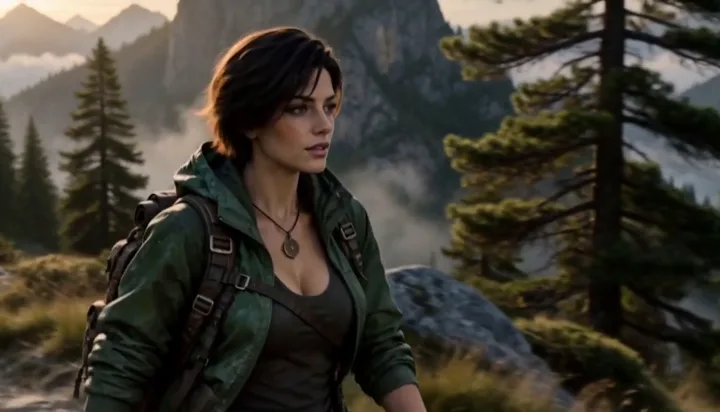
Veo 3.1 and vertical video: what creators should take away
A creator-focused look at Google’s January 2026 Veo 3.1 reference-video update, with a practical checklist for planning a vertical short.

The announcement in context
On January 13, 2026, Google described native 9:16 output for Veo 3.1 Ingredients to Video and improvements to reference-based character and scene consistency. Its announcement also described upscaling options in selected Google products. This is a look back at that update, not a new launch announcement.
Our editorial takeaway: compose for the destination
A vertical short needs its own composition. Before spending credits, sketch where the subject, action and eventual caption will sit. A wide landscape with a tiny subject may look impressive on a desktop but become unreadable on a phone.
For a first test, choose one subject and one action. Keep important details away from the screen edges and leave space for captions you will add in editing. Judge the result at phone size rather than only in a large preview.
Check the actual integration
Google's announcement covers its own products and APIs. It does not establish that every Veo provider offers identical controls. In this site's Veo 3.1 Fast guide, review the supported inputs and output settings before opening the studio. Use the studio's displayed quote for the generation you actually select.
A quick review before publishing
Can a viewer understand the subject without zooming? Is the first action visible immediately? Do any captions cover the subject? A technically sharp video still needs a clear visual idea. These checks are our production suggestions, not model benchmark claims.
Sources & further reading
Sources reviewed Oct 9, 2026
- Google: Veo 3.1 Ingredients to Video updateSource published